bioweather Switzerland
2025 pollen season
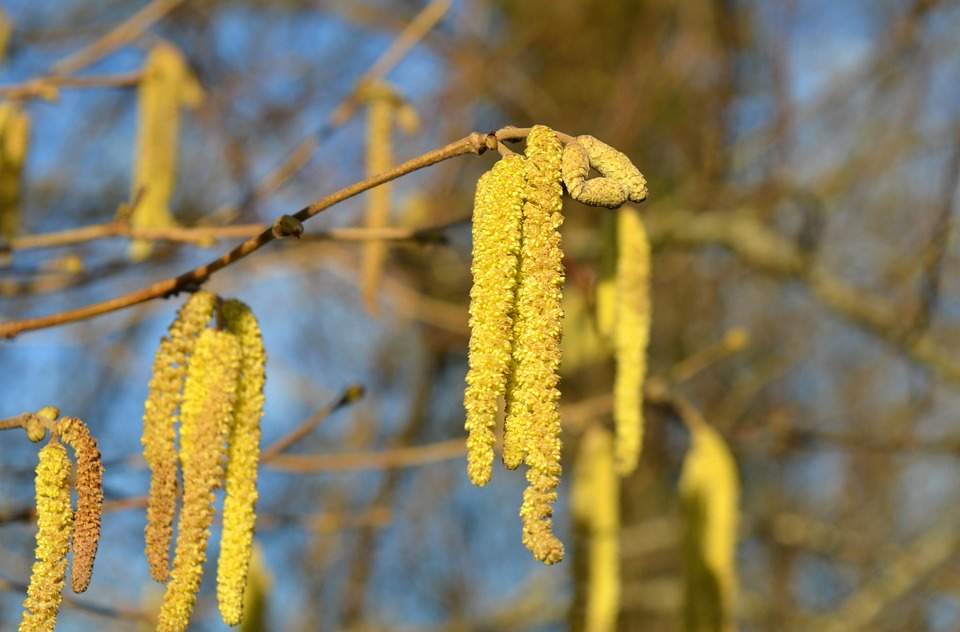
In a long-term comparison, the 2025 pollen season began around the end of January at low altitudes with the blooming of hazel and alder pollen. In the south, they were already on the move earlier. After sometimes high to occasionally even very high concentrations, the hazel and alder season came to an end towards the end of March. However, the ash pollen season began shortly after mid-March. This was followed towards the end of March by birch trees, whose pollen often reached high concentrations in the first decade of April. In the last decade of April, the grasses began to bloom more strongly and ushered in the main pollen season, which lasts until the beginning of September. On the other hand, the ash trees slowly finished flowering at low altitudes by the end of April and birch pollen concentrations also began to fall. In contrast, the oaks, beeches and conifers were in bloom at low altitudes at the transition to May, and flowering mostly ended in June. Towards the end of June, the most important herb pollen allergen, mugwort, began to bloom in the lowlands. In addition, there were increasingly high concentrations of sweet chestnut pollen in the south in the second half of June. In addition, a lot of green alder pollen was also recorded in the mountains near the forest in June. In the course of July, mugwort, which is particularly widespread in Valais and forms very allergenic pollen, also began to bloom. In addition, many mould spores were recorded in the second half of July. In the first half of August, particularly in the western and southern border regions, the air is also likely to contain a lot of the extremely allergenic ragweed pollen.
Roger Perret