

So, what is the “inception” of HDHub4u? In practice it’s less a single event and more a confluence: a trusted uploader’s early posts, savvy tagging and mirrors, community rituals that kept content circulating, and the legal drama that paradoxically amplified curiosity. The story repeats across the web because it’s a template: demand + tech + community + enforcement = lasting myth.
The rumor stage: word of mouth and the long tail Most digital myths begin small — a forum thread, a Telegram group, a Reddit post. For HDHub4u, the earliest sparks were likely niche communities trading links and playlists. These communities do more than share files; they exchange trust. A trusted uploader or repeat poster becomes an informal curator. In those early days, people didn’t just find content — they discovered personalities and rituals: weekly drops, reposts with improved rips, and comment threads that morphed into living guides. That kind of grassroots circulation seeds a name into broader consciousness without any official PR push.
Design and UX: why people stick around Beyond content, the ones that endure craft a recognizable user experience. Fast downloads, clear categories (by year, language, print quality), reliable seeders — these practical comforts matter. Forums and comments turn the site into a social space, not just a dump. That community energy encourages loyalty: fans recommend uploads, correct metadata, and argue about which rip is best. Over time, the site accrues cultural capital: “If it’s on HDHub4u, it’s circulating,” and that claim becomes a shorthand in communities hungry for content.
There’s a particular buzz when underground hubs and streaming sites slip into public conversation — and “hdhub4u inception” reads like the origin story fans and critics argue over in hushed forums. At first glance this phrase mixes two things: “HDHub4u,” a name people use for a popular-but-controversial site that surfaced as a go-to for movie and TV downloads, and “inception,” the moment or myth of how it all began. That gives us a juicy premise: tracing how a shadowy download hub rose, spread, and lodged itself in internet culture.
Tech and tactics: how visibility snowballs Visibility grows through simple mechanics: SEO, cross-posting, and automated scraping. A well-named folder and consistent tagging make a site easy for search engines and indexers to surface. Mirror sites and aggressive link-sharing in multiple languages multiply reach. Bots crawl and cache; mirrors proliferate when main domains are taken down. Every takedown can paradoxically fuel interest — the “forbidden fruit” effect makes people more eager to find the next available link. This cat-and-mouse game has been a defining rhythm for many download hubs that behave like hydras — sever one head, and two mirrors appear.


So, what is the “inception” of HDHub4u? In practice it’s less a single event and more a confluence: a trusted uploader’s early posts, savvy tagging and mirrors, community rituals that kept content circulating, and the legal drama that paradoxically amplified curiosity. The story repeats across the web because it’s a template: demand + tech + community + enforcement = lasting myth.
The rumor stage: word of mouth and the long tail Most digital myths begin small — a forum thread, a Telegram group, a Reddit post. For HDHub4u, the earliest sparks were likely niche communities trading links and playlists. These communities do more than share files; they exchange trust. A trusted uploader or repeat poster becomes an informal curator. In those early days, people didn’t just find content — they discovered personalities and rituals: weekly drops, reposts with improved rips, and comment threads that morphed into living guides. That kind of grassroots circulation seeds a name into broader consciousness without any official PR push.
Design and UX: why people stick around Beyond content, the ones that endure craft a recognizable user experience. Fast downloads, clear categories (by year, language, print quality), reliable seeders — these practical comforts matter. Forums and comments turn the site into a social space, not just a dump. That community energy encourages loyalty: fans recommend uploads, correct metadata, and argue about which rip is best. Over time, the site accrues cultural capital: “If it’s on HDHub4u, it’s circulating,” and that claim becomes a shorthand in communities hungry for content.
There’s a particular buzz when underground hubs and streaming sites slip into public conversation — and “hdhub4u inception” reads like the origin story fans and critics argue over in hushed forums. At first glance this phrase mixes two things: “HDHub4u,” a name people use for a popular-but-controversial site that surfaced as a go-to for movie and TV downloads, and “inception,” the moment or myth of how it all began. That gives us a juicy premise: tracing how a shadowy download hub rose, spread, and lodged itself in internet culture.
Tech and tactics: how visibility snowballs Visibility grows through simple mechanics: SEO, cross-posting, and automated scraping. A well-named folder and consistent tagging make a site easy for search engines and indexers to surface. Mirror sites and aggressive link-sharing in multiple languages multiply reach. Bots crawl and cache; mirrors proliferate when main domains are taken down. Every takedown can paradoxically fuel interest — the “forbidden fruit” effect makes people more eager to find the next available link. This cat-and-mouse game has been a defining rhythm for many download hubs that behave like hydras — sever one head, and two mirrors appear.
Ligeti and mathematics
The renowned mathematician Heinz-Otto Peitgen talks about his friendship with György Ligeti, the composer's interest in mathematics and the discoveries of chaos theory.

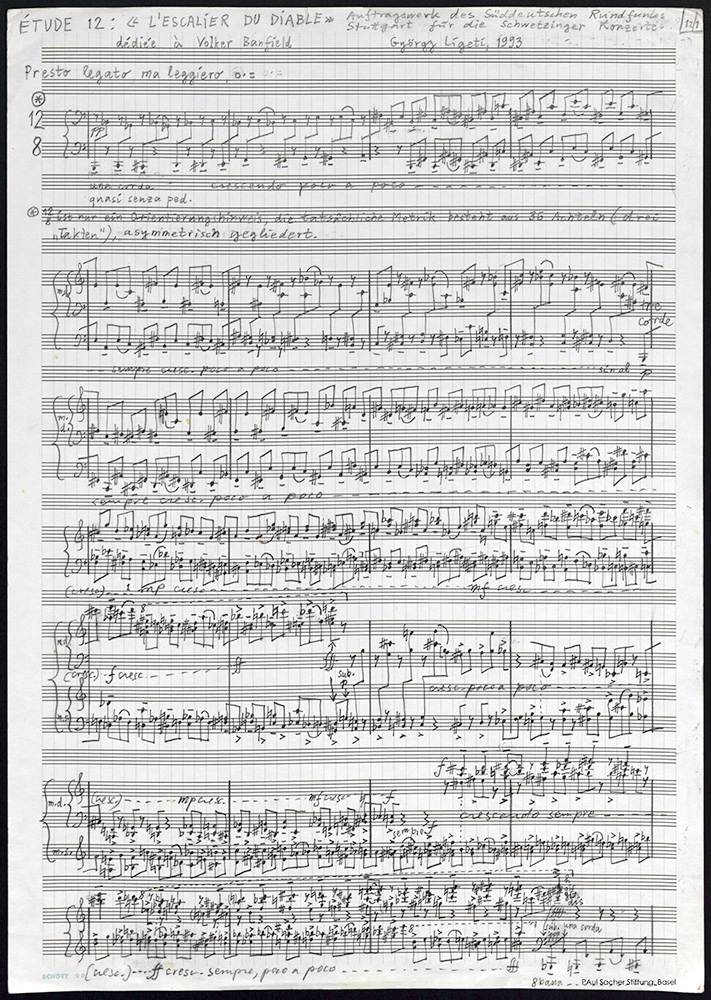
First page of the autograph fair score of L’escalier du diable (Paul Sacher Foundation, Basel).
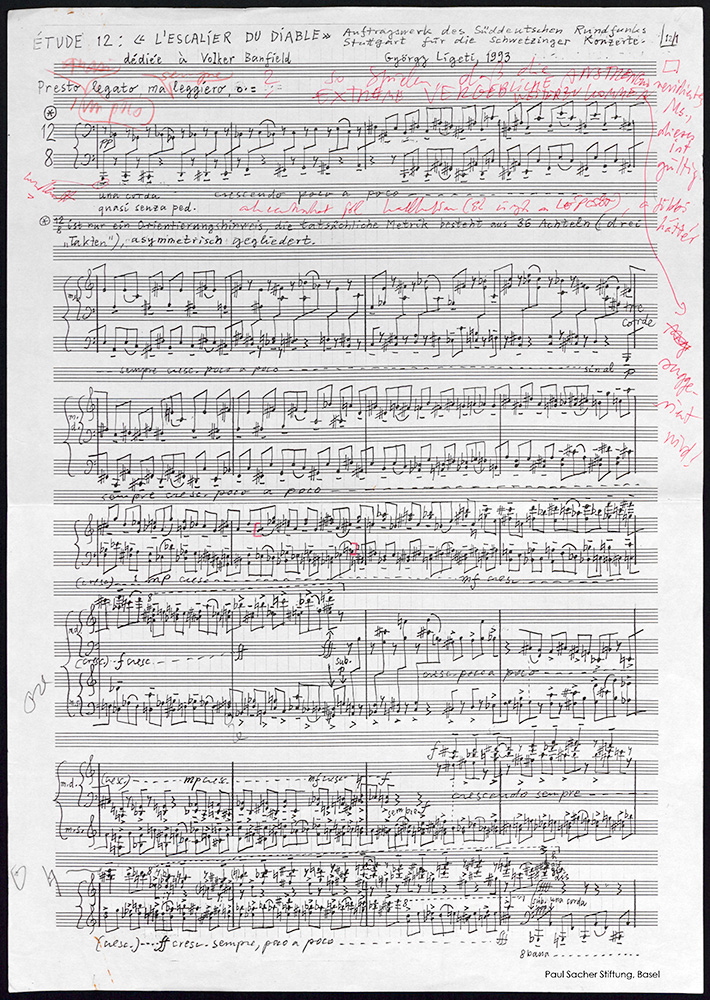
Copy of the autograph fair score of L'escalier du diable, with annotations by the composer, page 1 (detail), Paul Sacher Foundation, Basel. The inscription in the right-hand margin reads 'revised MS, this is authoritative'.
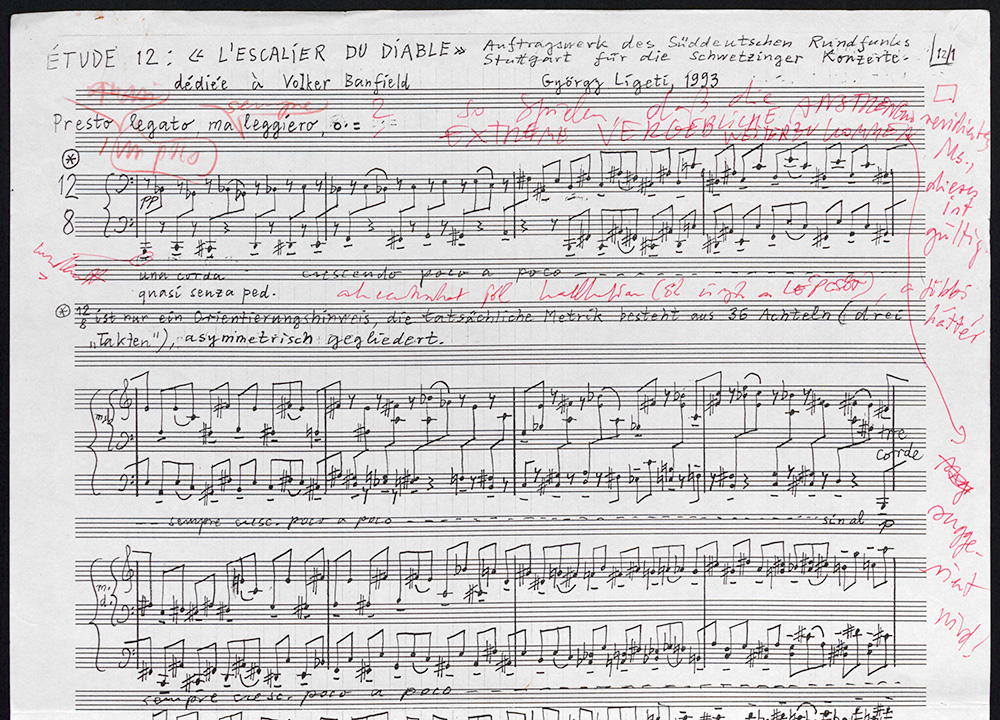
Copy of the autograph fair score of L'escalier du diable, with annotations by the composer, page 1 (detail), Paul Sacher Foundation, Basel. The inscription in the right-hand margin reads 'revised MS, this is authoritative'. hdhub4u inception
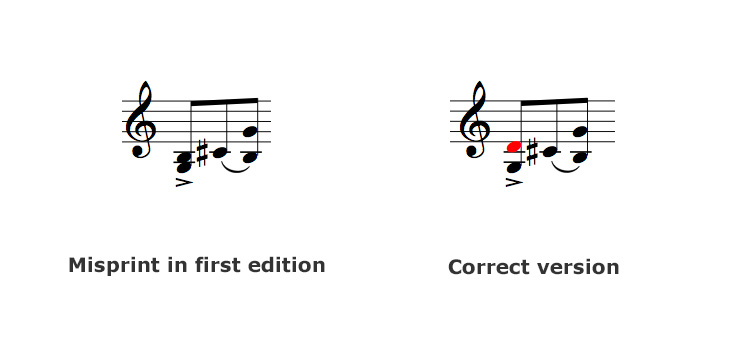
Bar 7-2: György Ligeti: Étude 13, bar 7/2, left hand, 9th – 11th quaver (eighth note)
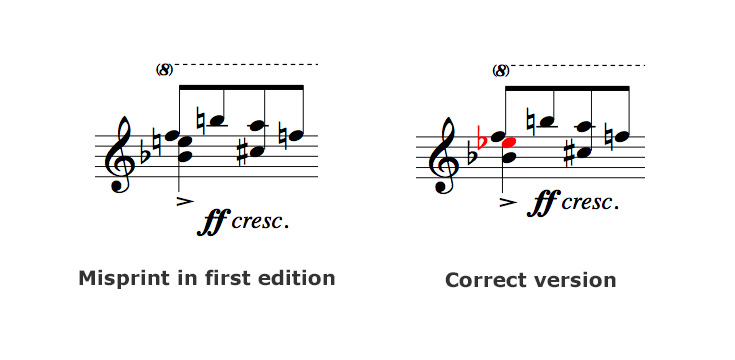
Bar 36-3: György Ligeti: Étude 13, bar 36/3, right hand, 9th – 12th quaver (eighth note) So, what is the “inception” of HDHub4u
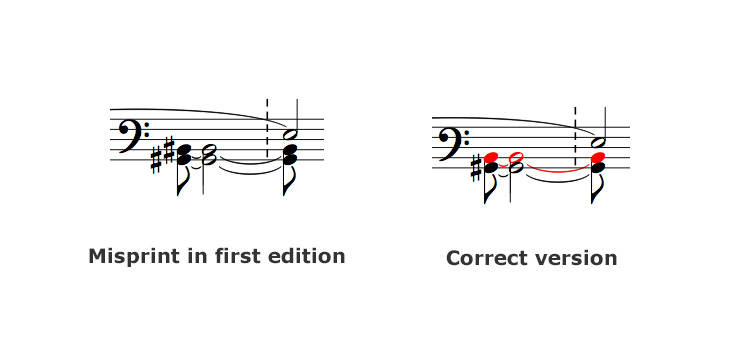
Bar 41: György Ligeti: Étude 13, bar 41/1, left hand, 8th – 12th quaver (eighth note)
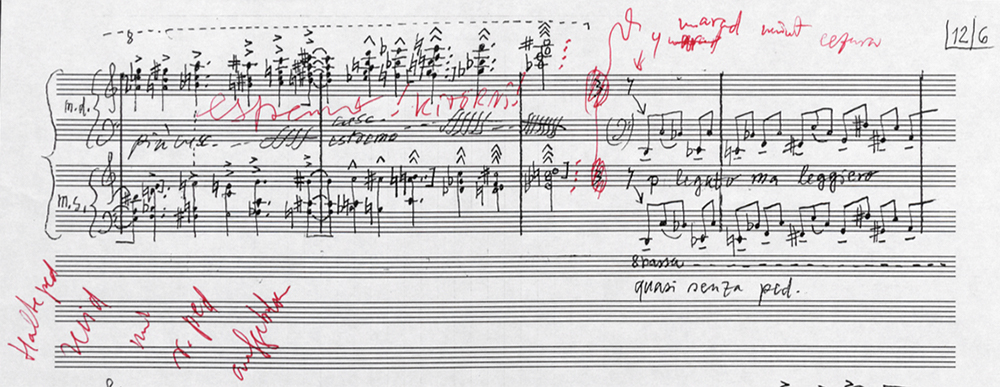
Copy of the autograph fair score of L’escalier du diable, with annotations by the composer, page 6 (detail), Paul Sacher Foundation, Basel. The rumor stage: word of mouth and the
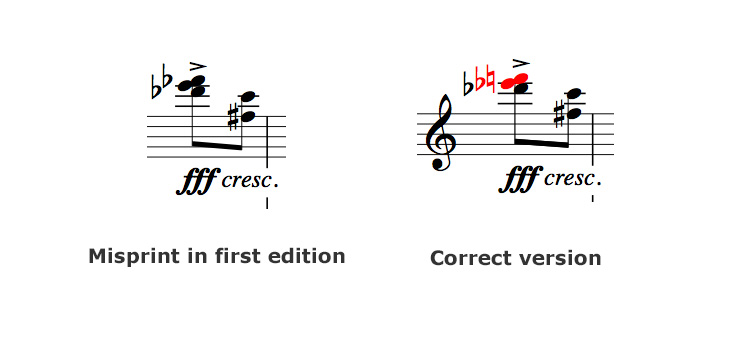
Bar 45-3: György Ligeti: Étude 13, bar 45/3, right hand, 11th – 12th quaver (eighth note)
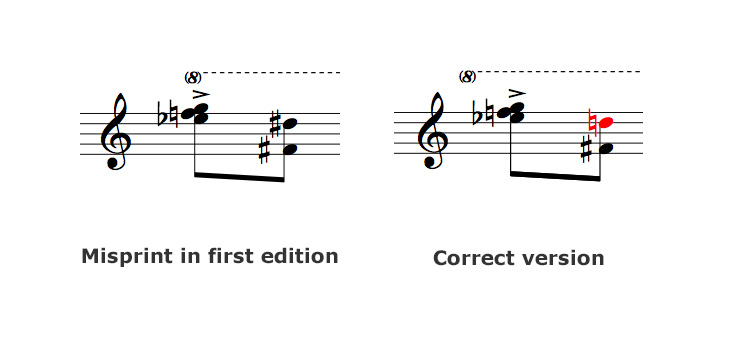
Bar 46-1a: György Ligeti: Étude 13, bar 46/1, right hand, 3th – 4th quaver (eighth note)
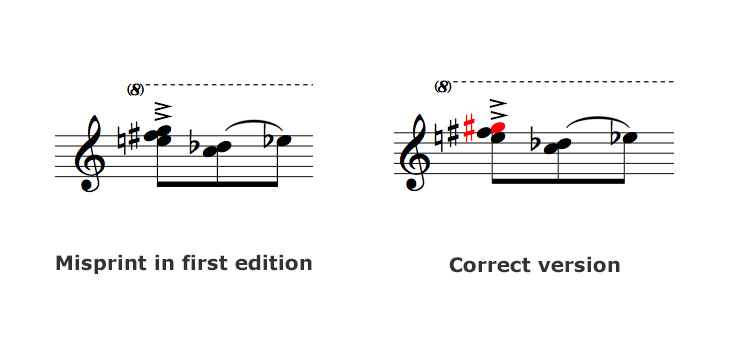
Bar 46-1b: György Ligeti: Étude 13, bar 46/1, right hand, 5th – 7th quaver (eighth note)